
What Must a Manual Water Pump Be Fitted With? (Article Plan ౼ 12/11/2025 17:27:17)
Essential components include check valves preventing backflow, foot valves maintaining prime, and robust piping for efficient water delivery – crucial for reliable operation․
Manual water pumps represent a time-tested solution for water extraction, particularly in locations lacking electricity or requiring a dependable backup system․ These pumps harness human power to lift water from wells, boreholes, or surface sources, offering a sustainable and cost-effective alternative to motorized pumps․
Their simplicity belies a crucial need for specific fittings to ensure optimal performance and longevity․ A properly equipped manual pump isn’t merely about the pump itself; it’s about the synergistic interaction of components designed to maximize efficiency and prevent common issues like backflow or loss of prime․ Understanding these necessary additions is paramount for anyone installing or maintaining such a system․
This article details the essential components, from check valves and foot valves to piping and protective filters, outlining their function and importance in a manual water pumping setup․
The Core Functionality of a Manual Water Pump
At its heart, a manual water pump operates on a straightforward principle: converting reciprocating motion into fluid displacement․ The hand lever, through a connecting rod, drives a piston within a cylinder․ This piston creates alternating pressure and vacuum, drawing water in during the upstroke and expelling it during the downstroke․
However, this basic function relies heavily on supporting components․ Without a check valve, water would simply fall back down the outlet pipe․ A foot valve ensures the pump maintains prime, preventing the need to refill the system with water each time it’s used․ The rising main pipe delivers water, and a filter protects the pump from debris․
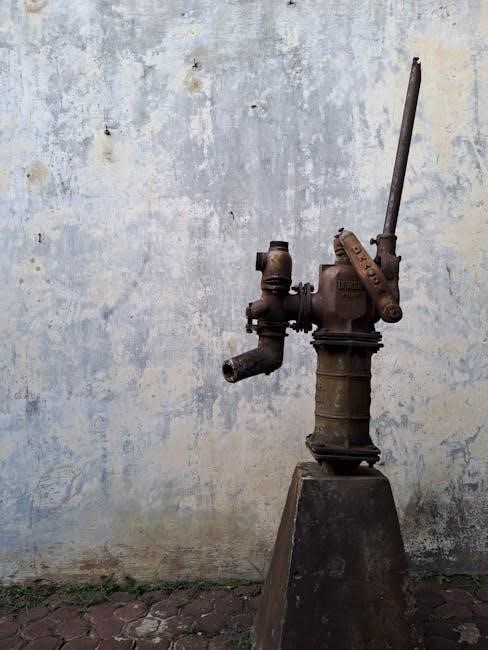
Effectively, the pump creates the force, but the fittings manage and deliver the water․
Essential Components for Operational Efficiency
Maximizing a manual water pump’s performance demands more than just the core mechanism․ Beyond the piston and cylinder, several components are vital․ High-quality check valves are paramount, preventing energy-wasting backflow and maintaining consistent pressure․ A robust foot valve, correctly sized, ensures reliable priming, reducing manual effort․

The rising main pipe’s material and diameter directly impact flow rate; PVC or steel are common choices․ A strainer or filter safeguards the pump from damaging sediment․ Consider a pressure relief valve to prevent over-pressurization․ Finally, a stable base and proper connections (unions, couplings) simplify maintenance and extend the pump’s lifespan․
Check Valves: Preventing Backflow
Crucially, check valves are one-way mechanisms, allowing water flow in only one direction․ They open with pressure from the pump and immediately close, preventing water from flowing back towards the source when pumping stops․ This prevents loss of prime and protects upstream equipment like wells or storage tanks․
Without a functioning check valve, the pump would need to re-fill the entire suction pipe with each stroke, drastically reducing efficiency and increasing manual labor․ Selecting the correct type and material is vital, considering compatibility with the water source and potential corrosion factors․ Regular inspection ensures continued, reliable operation․
Types of Check Valves Suitable for Manual Pumps
Several check valve types suit manual pumps․ Swing check valves, with a hinged disc, are common for their simplicity and ability to handle some solids․ Lift check valves utilize a spring or gravity to seat a poppet, offering quick response․ Ball check valves employ a ball seated in a chamber, ideal for dirty water․
Diaphragm check valves, using a flexible diaphragm, are suitable for corrosive fluids․ The best choice depends on the water quality, flow rate, and pressure․ For manual pumps, simplicity and reliability are key, often favoring swing or lift check valves due to their minimal flow restriction․
Importance of Check Valve Material Compatibility
Material selection for check valves is paramount to longevity and performance․ Incompatible materials can lead to corrosion, erosion, and ultimately, valve failure․ For instance, using a steel check valve in saltwater environments without proper coating will accelerate corrosion․
PVC or polypropylene valves are excellent choices for non-corrosive water sources․ Brass valves offer good corrosion resistance for general use․ Stainless steel provides superior durability, especially with aggressive fluids․ Ensuring the valve material matches the water’s chemical composition prevents degradation, maintains sealing integrity, and minimizes costly replacements․
Foot Valves: Maintaining Prime

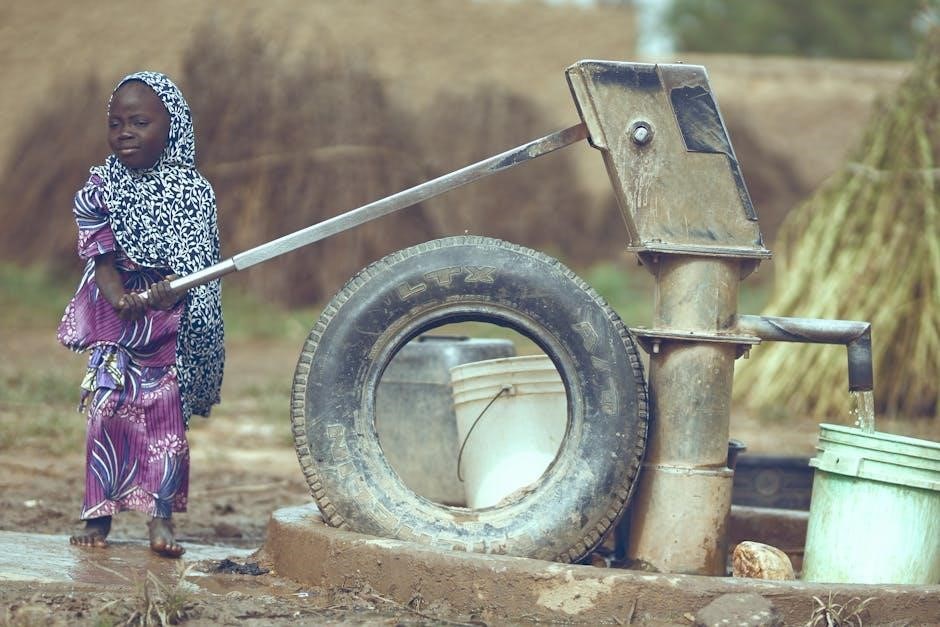
Foot valves are critical components situated at the bottom of the suction pipe, directly within the water source․ Their primary function is to prevent water from draining back into the well or source when the pump isn’t operating, thus maintaining prime․ This eliminates the need to manually re-prime the pump with each use, saving time and effort․
Without a functional foot valve, the pump cylinder would be empty, requiring significant manual effort to draw water up the suction pipe․ A properly functioning foot valve ensures immediate water delivery upon operation, enhancing the pump’s usability and efficiency․ Regular inspection is vital․
Foot Valve Design and Functionality
Foot valves typically feature a spring-loaded clapper or flapper disc․ Water flow from the source pushes this disc open, allowing water to enter the suction pipe․ When the pump stops, the spring forces the disc closed, creating a watertight seal․ This prevents backflow and maintains the prime within the pump system․
The valve body is often constructed from durable materials like brass or plastic, designed to withstand submersion and potential corrosion․ A built-in strainer is common, preventing debris from entering and damaging the pump․ Proper design ensures minimal flow restriction while effectively retaining prime, crucial for consistent pump performance․
Common Foot Valve Issues and Solutions
Foot valves frequently encounter issues like debris accumulation, causing the clapper to stick open or closed․ This leads to reduced flow or complete pump failure․ Regular inspection and cleaning of the strainer are vital preventative measures․
Corrosion, particularly in metallic valves, can also hinder functionality․ Replacing corroded valves with compatible materials (like stainless steel or plastic) resolves this․ Worn-out springs weaken the seal, necessitating spring replacement or a complete valve overhaul․ Ensuring proper installation, avoiding kinks in the suction line, and periodic maintenance significantly extend foot valve lifespan and pump reliability․
Rising Main Pipe Considerations
The rising main, connecting the pump to the discharge point, demands careful material selection․ PVC offers cost-effectiveness and corrosion resistance for many applications, while steel provides superior strength for high-pressure or demanding environments․
Crucially, pipe diameter directly impacts flow rate; a larger diameter reduces friction loss but increases cost․ Calculating the appropriate diameter based on required flow and pump capacity is essential․ Proper support and secure connections prevent stress and leaks․ Consider pipe length, elevation changes, and potential water hammer effects during installation for optimal performance and longevity․
Pipe Material Selection (PVC, Steel, etc․)
Choosing the right pipe material is paramount for a manual water pump system․ PVC (Polyvinyl Chloride) is a popular, cost-effective option, offering excellent corrosion resistance and ease of installation, suitable for lower pressure applications․ However, steel pipes provide superior strength and durability, ideal for high-pressure scenarios or where physical damage is a concern․
Other materials like polyethylene (PE) offer flexibility, while galvanized steel provides corrosion protection․ The selection hinges on factors like water chemistry, pressure requirements, budget, and local regulations․ Always prioritize materials compatible with the pumped fluid to prevent degradation and ensure long-term reliability․

Pipe Diameter and Flow Rate Relationship
The pipe diameter significantly impacts a manual water pump’s flow rate․ A larger diameter reduces friction loss, allowing for greater water volume with each stroke, but can increase initial costs․ Conversely, a smaller diameter minimizes material expenses but restricts flow, demanding more effort for the same output․
Finding the optimal balance is crucial․ Increasing pipe diameter doesn’t linearly increase flow; diminishing returns apply․ Calculations considering pump capacity, pipe length, and desired flow rate are essential․ Proper sizing minimizes energy expenditure and maximizes the pump’s efficiency, ensuring consistent water delivery․
Cylinder Liners & Piston Seals: Ensuring Water Tightness
Maintaining a watertight seal within the pump cylinder is paramount for efficient operation․ Cylinder liners, typically made of cast iron or stainless steel, provide a durable, smooth surface for the piston to travel against, resisting wear and corrosion․ Piston seals, crucial companions, prevent water leakage past the piston․
These seals are commonly constructed from rubber or synthetic polymers․ Regular inspection and replacement are vital, as wear diminishes pumping effectiveness․ Selecting compatible materials for both liner and seal, considering water quality and temperature, extends component lifespan and ensures consistent performance, preventing energy loss․
Material Choices for Cylinder Liners
Selecting the right cylinder liner material is critical for longevity and performance․ Cast iron remains a popular choice due to its affordability and good wear resistance, suitable for clean water applications․ However, stainless steel offers superior corrosion resistance, essential when pumping water with higher mineral content or salinity․
Polymeric liners, though less common, provide excellent resistance to certain chemicals and reduce friction․ The choice depends heavily on the water source’s composition and the pump’s intended use․ Considering abrasion from sediment and potential chemical interactions ensures optimal liner lifespan and minimizes maintenance requirements, maximizing pump efficiency․

Types of Piston Seals and Their Lifespan
Piston seals are vital for maintaining pressure and preventing leakage within the pump cylinder․ Common types include leather cups, known for their cost-effectiveness but shorter lifespan, and rubber (nitrile or EPDM) seals, offering improved durability and chemical resistance․
Polyurethane seals provide the highest performance, boasting exceptional wear resistance and longevity, ideal for demanding applications․ Lifespan varies greatly – leather cups may last months, rubber seals a year or two, while polyurethane can endure for several years․ Regular inspection and replacement, based on usage and water quality, are crucial for sustained pump operation․
Hand Lever & Connecting Rod Assembly
The hand lever and connecting rod translate manual force into the reciprocating motion needed to drive the pump piston․ Lever arm length directly impacts mechanical advantage; a longer lever requires less force but greater travel distance․ Robust construction is paramount, as this assembly endures significant stress․
Connecting rods are typically made from forged steel or ductile iron, prioritizing tensile strength and fatigue resistance․ Regular greasing of pivot points minimizes wear and ensures smooth operation․ Proper alignment is critical to prevent binding and maximize pumping efficiency, extending the lifespan of all moving parts․
Lever Arm Length and Mechanical Advantage
Lever arm length is a fundamental design element influencing the force required to operate a manual water pump․ A longer lever arm provides greater mechanical advantage, meaning less force is needed from the user to generate the same pumping action․ However, this comes at the cost of increased travel distance for each stroke․
Conversely, a shorter lever requires more force but reduces the stroke length․ The optimal length balances user comfort with pumping efficiency․ Careful consideration of the intended user’s strength and the desired flow rate is crucial when determining the ideal lever arm dimension for maximum usability․
Connecting Rod Material Strength & Durability
The connecting rod, linking the hand lever to the pump piston, endures significant tensile and compressive stresses during operation․ Therefore, material selection is paramount for ensuring longevity and preventing failure․ High-strength steel alloys are commonly employed due to their excellent durability and resistance to fatigue․
Cast iron, while more affordable, may lack the necessary toughness for demanding applications․ Regular inspection for cracks or bending is vital․ Corrosion resistance is also key, particularly in humid environments; protective coatings or stainless steel options can mitigate this risk, guaranteeing reliable pump performance over extended periods․
Water Filter/Strainer: Protecting the Pump
A crucial addition to any manual water pump system is a robust water filter or strainer․ This component safeguards the pump’s internal parts from abrasive particles like sand, silt, and debris that could cause premature wear and tear․ The filter’s mesh size directly impacts its effectiveness; finer meshes capture smaller particles but may require more frequent cleaning․
Regular maintenance, including periodic cleaning or replacement of the filter element, is essential for maintaining optimal pump performance․ A clogged filter restricts water flow, reducing efficiency and potentially damaging the pump․ Establishing a cleaning schedule based on water source quality is highly recommended․
Mesh Size and Filter Effectiveness
The filter’s mesh size is paramount in determining its effectiveness․ A coarser mesh, typically measured in millimeters or microns, allows larger particles to pass through, suitable for relatively clean water sources․ However, it offers minimal protection against fine sediment․ Conversely, a finer mesh provides superior filtration, capturing smaller debris, but increases the risk of clogging․
Selecting the appropriate mesh size depends on the water source’s characteristics․ Highly turbid water necessitates a coarser pre-filter followed by a finer polishing filter․ Regularly inspecting the captured debris helps assess filter performance and determine if a mesh size adjustment is needed to balance filtration efficiency and maintenance frequency․
Filter Maintenance and Cleaning Schedules
Regular filter maintenance is critical for sustained pump performance․ Cleaning schedules depend heavily on water source quality; turbid water demands more frequent attention․ A visual inspection during each pump use should identify excessive debris buildup․ Generally, a monthly cleaning is advisable for moderately dirty water, while weekly checks are needed for heavily sedimented sources․
Cleaning typically involves disassembling the filter housing and rinsing the mesh element with clean water․ Stubborn debris may require a soft brush․ Avoid harsh chemicals or abrasive cleaners that could damage the filter․ Maintaining a log of cleaning dates and observed debris levels helps optimize the schedule and predict potential filter failures․
Pressure Relief Valve (Optional, but Recommended)
A pressure relief valve is a vital safety component, though often considered optional․ Manual pumps, particularly those lifting water from significant depths, can generate unexpectedly high pressures during operation or due to water hammer․ This valve automatically releases excess pressure, preventing damage to the pump, pipes, and connected systems․
Selecting the correct valve involves matching its pressure rating to the pump’s maximum output and the system’s pressure limits․ Regular inspection and testing are crucial to ensure proper functionality․ A malfunctioning relief valve compromises safety, potentially leading to catastrophic failures․ Its inclusion significantly extends the pump’s lifespan and safeguards against costly repairs․
Base/Mounting Structure: Stability and Support
A robust base or mounting structure is fundamental for efficient and reliable manual pump operation․ It provides a stable platform, minimizing vibrations and ensuring the pump remains securely positioned during use․ This is especially critical given the physical exertion required to operate a manual pump; a shifting base reduces efficiency and poses a safety hazard․
Construction materials should be durable and resistant to corrosion, such as treated wood, steel, or concrete․ The base must adequately support the pump’s weight and withstand the forces generated during pumping․ Proper anchoring to the ground or a stable surface is essential, preventing movement and maximizing the pump’s operational lifespan․
Well Casing/Source Connection Adaptors
Securely connecting the manual pump to the water source – be it a well, borehole, or surface water – necessitates appropriate well casing adaptors; These adaptors create a watertight seal, preventing contamination and ensuring efficient water intake․ Compatibility with the well casing’s material (PVC, steel, etc․) is paramount, avoiding corrosion or degradation․
Adaptor selection depends on the casing diameter and pump inlet size․ Threaded connections, flanged fittings, or compression couplings are common methods․ Proper sealing with Teflon tape or appropriate gaskets is vital․ The connection must withstand the suction forces generated by the pump, preventing air leaks and maintaining prime․ A stable, reliable connection is key to consistent water delivery․
Unions and Couplings: Facilitating Disassembly & Maintenance
Strategic placement of unions and couplings throughout the pump’s plumbing is essential for simplified disassembly and routine maintenance․ These fittings allow for easy separation of pipe sections without disturbing the entire system․ This is particularly crucial for accessing and replacing internal components like foot valves, check valves, or the pump cylinder itself․
Choosing the right couplings – threaded, quick-connect, or flanged – depends on pipe material and pressure requirements․ Regular inspection of these connections is vital to prevent leaks․ Utilizing compatible materials minimizes corrosion risks․ Properly installed unions dramatically reduce downtime during repairs, ensuring long-term pump reliability and operational efficiency․
Lubrication System: Reducing Wear and Tear
A proper lubrication system is paramount for minimizing friction and extending the lifespan of moving parts within a manual water pump․ This primarily focuses on the cylinder, piston, and connecting rod assembly․ Regular lubrication prevents metal-on-metal contact, reducing wear and tear, and ensuring smooth operational performance․
Grease or oil selection must be compatible with the materials used in these components․ Grease points should be easily accessible for routine maintenance․ Insufficient lubrication leads to increased friction, heat buildup, and ultimately, pump failure․ Consistent lubrication safeguards against corrosion and maintains optimal efficiency, contributing to the pump’s longevity and reliability․
Air Chamber/Accumulator (For Smoother Flow)
An air chamber or accumulator, though often optional, significantly enhances the user experience by delivering a more consistent water flow from a manual pump․ Positioned near the pump outlet, this chamber contains compressed air that absorbs pressure fluctuations caused by the intermittent pumping action;
This results in a smoother, less pulsating stream of water, reducing strain on the plumbing system and providing a more comfortable experience for the user․ Properly sized air chambers minimize water hammer and extend the life of connected pipes and fixtures․ Regular inspection ensures the air pressure remains optimal for continued smooth operation․
Galvanization/Corrosion Protection: Extending Pump Life

Protecting a manual water pump from corrosion is paramount for longevity, especially when dealing with water sources containing minerals or salts․ Galvanization, a zinc coating applied to steel components, acts as a sacrificial layer, preventing rust from reaching the underlying metal․
Alternatively, utilizing materials inherently resistant to corrosion, like stainless steel or specific plastics, is crucial․ Regular inspection for signs of corrosion, coupled with protective coatings or paint, further extends the pump’s lifespan․ Proper maintenance and material selection are vital investments, ensuring years of reliable water access․
Strainers for Suction Intake
Essential for protecting the pump, suction intake strainers prevent debris – sand, leaves, and sediment – from entering the system․ These strainers are typically fitted to the suction pipe’s inlet, within the water source․ Regular cleaning is vital; clogged strainers reduce pump efficiency and can cause damage․
Mesh size selection depends on the water source’s typical debris․ Coarser meshes handle larger particles, while finer meshes offer greater protection․ Durable materials like stainless steel or robust plastics are preferred for longevity and resistance to corrosion, ensuring consistent water flow and pump performance․
Pump Housing/Casing Material Considerations
The pump housing’s material significantly impacts durability and longevity․ Cast iron was traditionally favored for its strength and cost-effectiveness, but is susceptible to corrosion․ Modern options include stainless steel, offering superior corrosion resistance, and various engineered plastics․
Material selection depends on the water source’s chemistry and the operating environment․ Highly corrosive water necessitates stainless steel or specialized coatings․ Plastic housings are lightweight and corrosion-proof, ideal for less demanding applications․ Proper material choice ensures structural integrity, prevents leaks, and extends the pump’s operational lifespan․
Safety Features: Preventing Injury
Manual water pumps, while generally safe, require certain features to prevent injury․ Guards around moving parts, like the hand lever and connecting rod, are crucial to avoid accidental contact․ A secure base or mounting structure prevents tipping during operation, ensuring stability․
Pressure relief valves, though optional, protect against over-pressurization, minimizing the risk of component failure and potential water hammer․ Clear labeling indicating operating procedures and potential hazards is also vital․ Regular inspection for wear and tear, alongside proper maintenance, contributes significantly to safe and reliable pump operation․
Optimizing performance of a manual water pump hinges on selecting and integrating the correct components․ Essential fittings – check valves, foot valves, appropriate piping, and robust seals – are paramount for efficiency and longevity․ Regular maintenance, including lubrication and filter cleaning, minimizes wear and tear․
Prioritizing safety with guards and pressure relief valves is equally important․ A well-fitted strainer protects the pump from debris, while corrosion protection extends its lifespan․ Ultimately, a thoughtfully assembled and maintained manual pump delivers a reliable and sustainable water source for years to come․